From courses to journeys: why we teach through projects
A course has a start date, an end date and someone else's goal. Why we replaced courses with self-paced projects that give children a reason to learn.

Deepana Ishtaweera, Founder, RoboticGen
· 6 min read
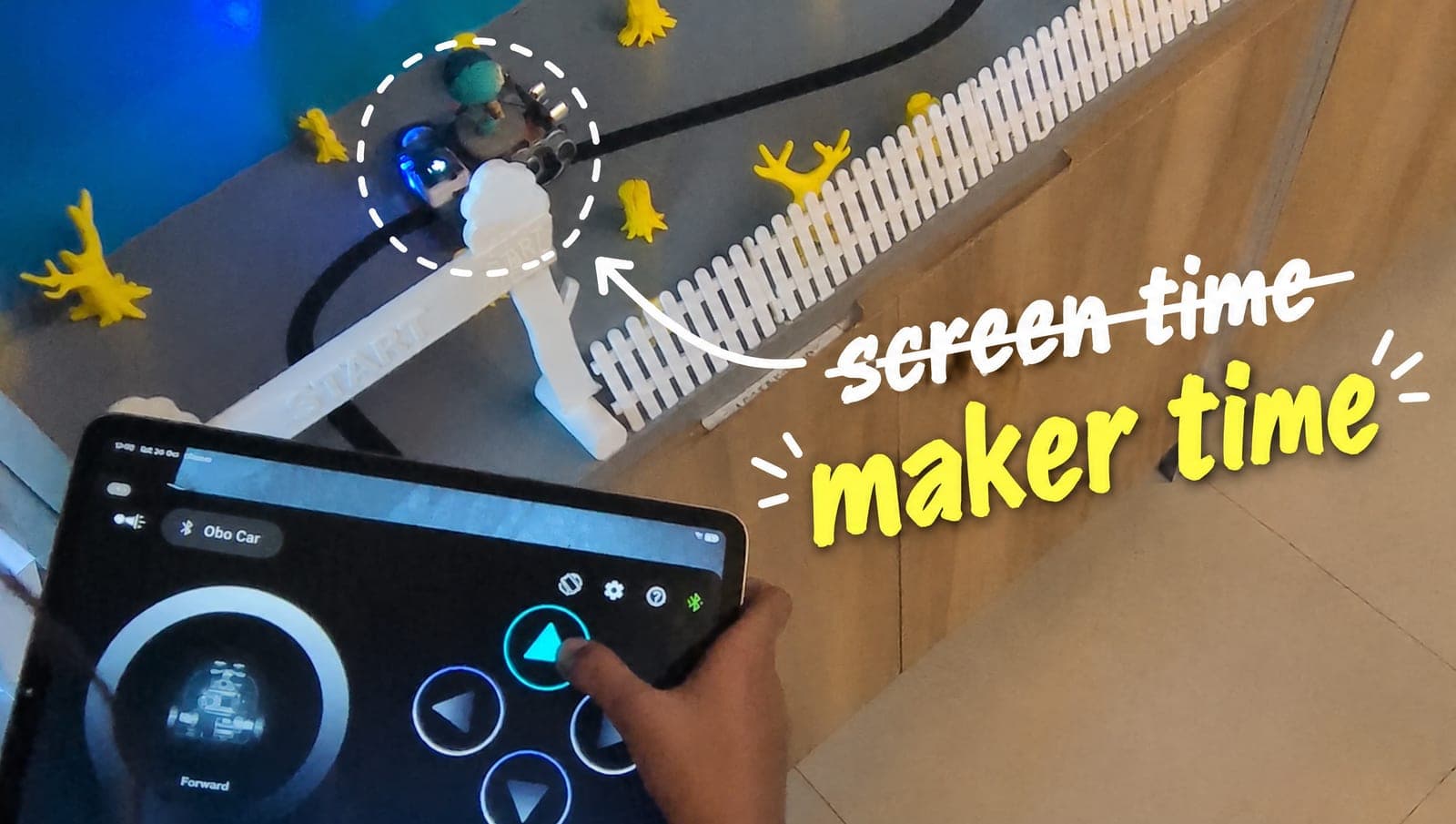
When we started RoboticGen Academy, we ran courses, like almost everyone else. Every course had a start date, an end date and a syllabus, and every child moved through it together. We don't run courses any more. Every child at RoboticGen learns through projects, and no two children follow the same path. This is why we changed, and what the research says about it.
A course and a project are built differently
| A course | A project | |
|---|---|---|
| When it starts | On the date the course begins | When the child is ready |
| When it ends | At the last session, finished or not | When the thing works |
| The goal | Cover the syllabus | Build something, or solve a problem |
| The pace | The same for everyone | The child's own |
| If interest fades | Keep going to the end | Pause it, and start another |
| The child's own ideas | Outside the plan | Part of the plan |
| What you have at the end | One certificate, at the very end | Something you made, plus a certificate |
A course is a container for topics. A project is one whole thing with a purpose: a robot that climbs a ramp, a game a younger sister can play, a gadget that fixes an annoyance at home. Everything a child learns along the way serves that purpose, so nothing arrives as a disconnected chapter.
Children ask why first
Ask a ten-year-old to learn about gear ratios and you will hear the question every parent knows: why? It's a fair question, and a course answers it badly: because it's next in the syllabus. A project answers it before it is asked. You need gears because your robot is too slow to climb the ramp.
This isn't only a hunch. In a randomised study published in Science, high-school students who wrote about how science connected to their own lives (opens in a new tab) became more interested in it, and those who expected to do badly raised their grades by nearly two-thirds of a grade. A later study of 1,040 university students (opens in a new tab) found the same approach cut the achievement gap for first-generation students from minority backgrounds by 61%.
The detail that matters: the students found the relevance themselves. Being told that something will be useful one day does little. A project lets a child find the reason again and again, because the reason is sitting on the table in front of them.
Theory when you need it
One of our students built an automatic fish feeder. A motor turns a bottle of fish food so that a little falls out, and you can set the time between feedings. To make it work, he had to figure out how a motor turns the bottle, how far to turn it, and how to set the time between feedings. Nobody had to explain why any of that mattered.
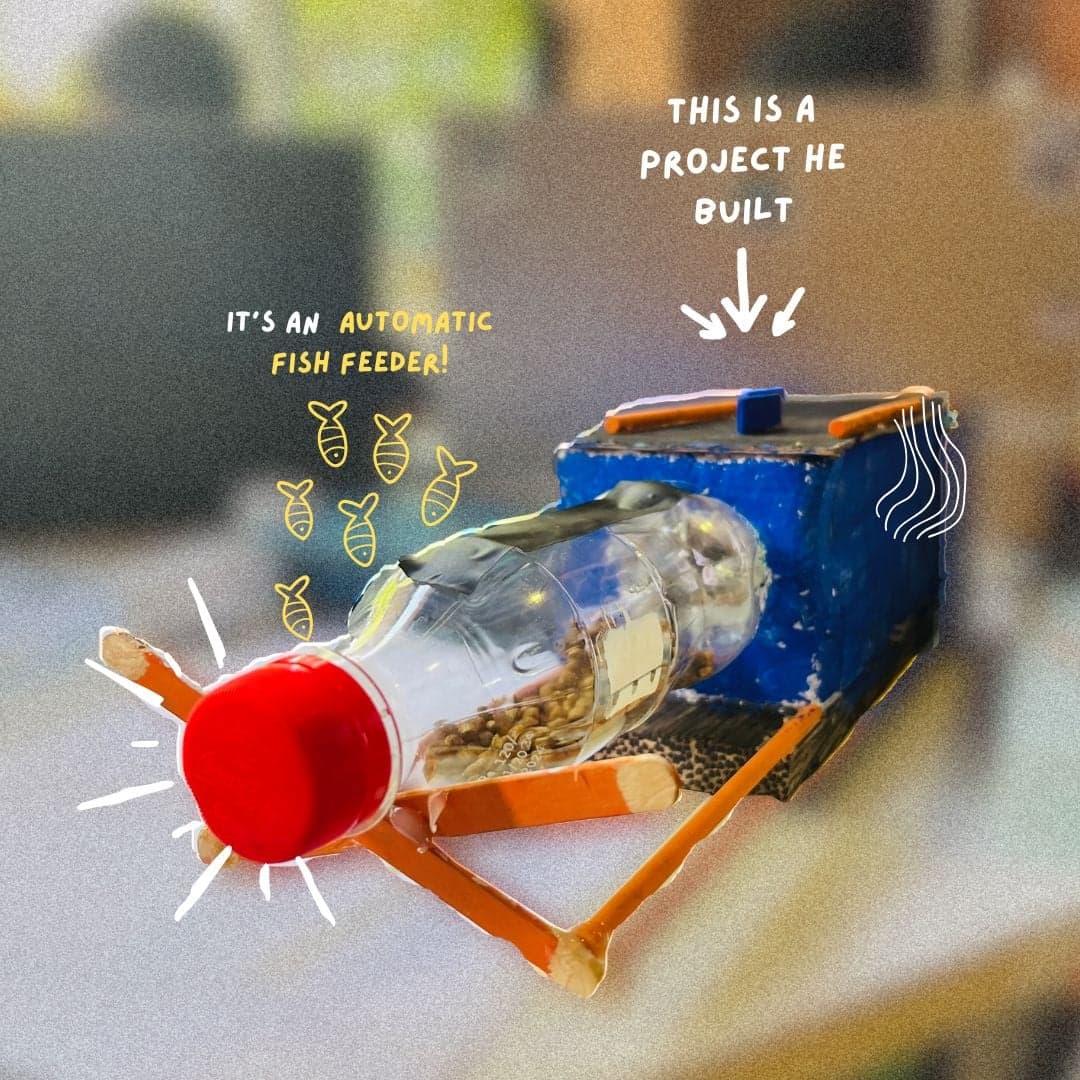
Explanation still matters; it just lands better when a child needs it. In the classic study "A Time for Telling" (opens in a new tab), students who first explored a problem and then heard a lecture learned more than every comparison group, including students who explored twice and never heard the lecture. A review of 53 studies (opens in a new tab) found that trying a problem before being taught gives a modest advantage.
The same review found an exception we take seriously: for younger primary-school children, being shown first worked better. So our youngest students get more demonstration up front. The project still provides the reason; the mentor provides more of the steps.
Projects need a guide
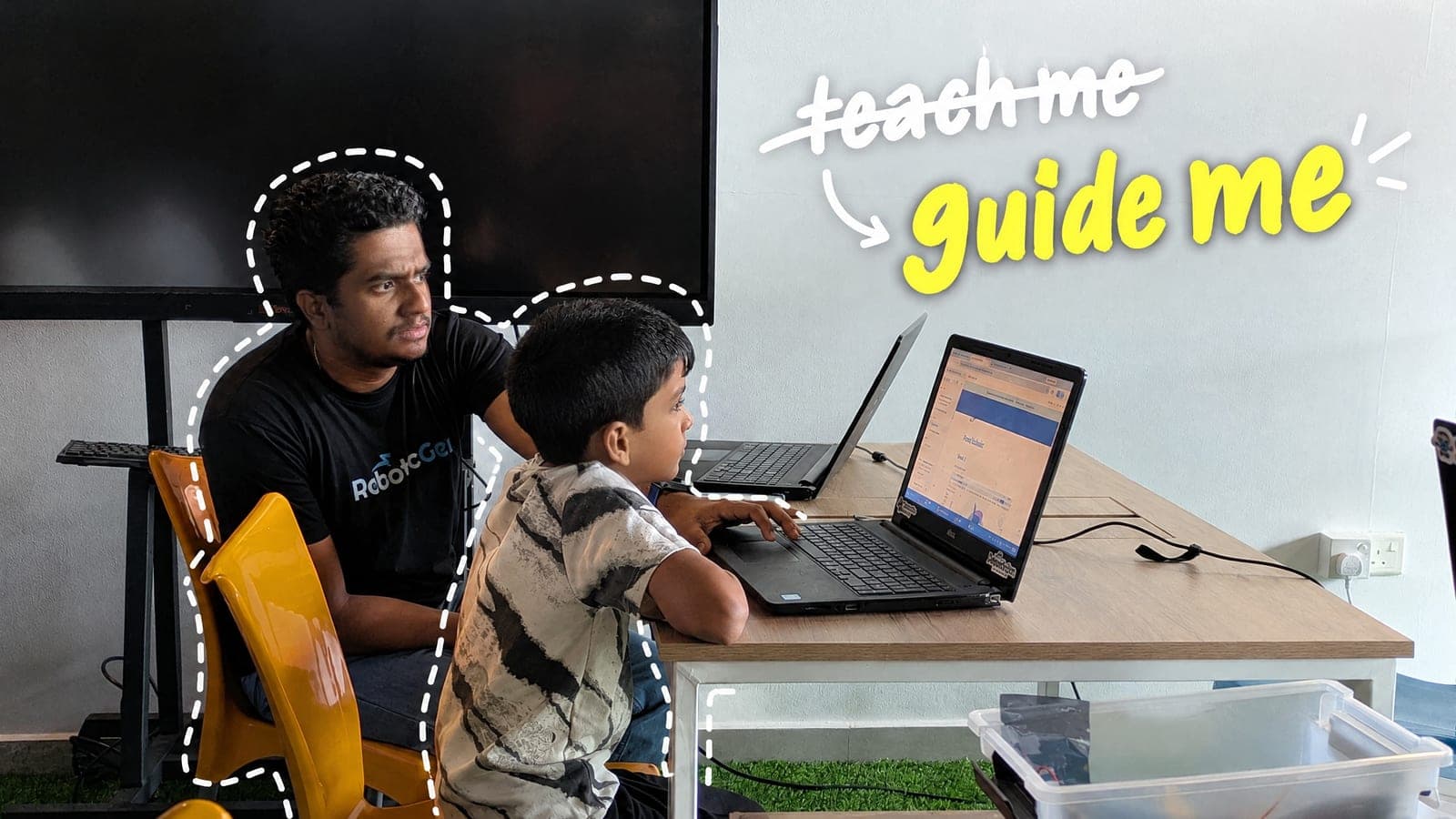
Projects are not the same as leaving children to work it out alone. Education researchers have argued for years that minimal guidance doesn't work (opens in a new tab), and they are right. The project-based approaches that succeed are heavily supported (opens in a new tab): someone breaks the problem down, asks the right question at the right moment and notices when a child is about to give up.
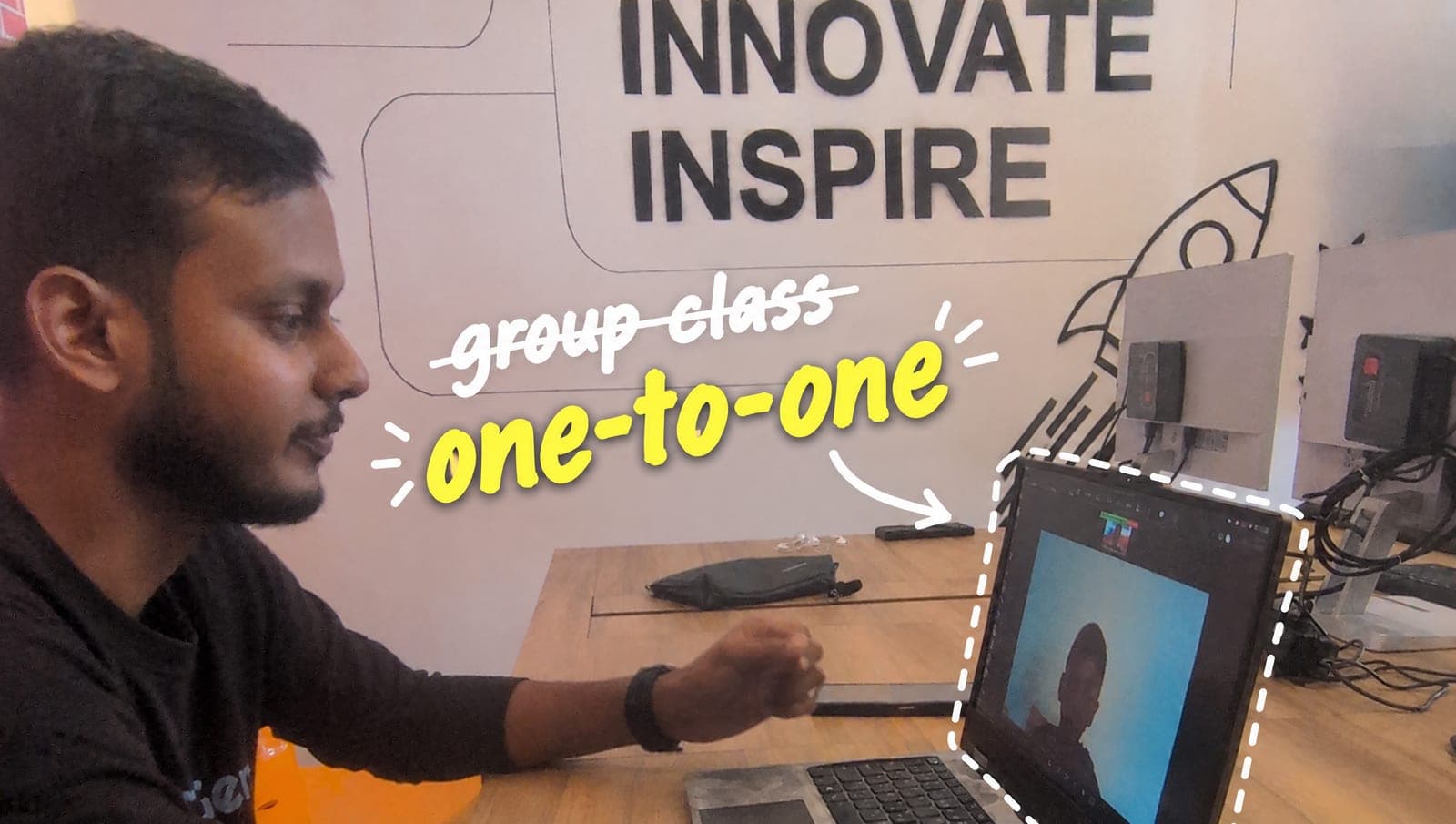
Self-pacing has the same risk. In college classes, self-paced programmes often had lower completion rates (opens in a new tab), and only about 3% of the people who joined MIT and Harvard's free online courses in 2017–18 (opens in a new tab) finished them. Going at your own pace with nobody beside you usually means stopping. That is why every RoboticGen student has a mentor every week, the idea behind our article from "teach me" to "guide me".
Choice, but not endless choice
Letting children choose works. A large review of studies found that choice raised children's motivation to learn for its own sake (opens in a new tab), more for children than for adults. It also found the effect was strongest with a handful of options and faded with too many.
So a child doesn't face a catalogue. Their mentor suggests two or three projects that fit what they can do and what they care about, and the child picks one and makes it their own. If a child wants their line-follower to play a tune when it reaches the end, that becomes part of the project, not a distraction from it.
What the research says about projects
Across 30 studies and 12,585 students (opens in a new tab), students taught through projects outscored about three in four students taught traditionally. A 2023 review of 66 studies (opens in a new tab) found the gain in interest was even larger than the gain in grades. Most of those studies weren't randomised, but randomised trials in primary-school science (opens in a new tab) and in Advanced Placement courses (opens in a new tab), American high-school exams taken for university credit, point the same way. In the primary-school trial, children also showed a stronger sense of ownership over their work.
One caution: those results come from projects guided by trained adults, with well-designed materials, not from projects alone. Guided projects work. Unguided ones are a gamble.
Something you can hold
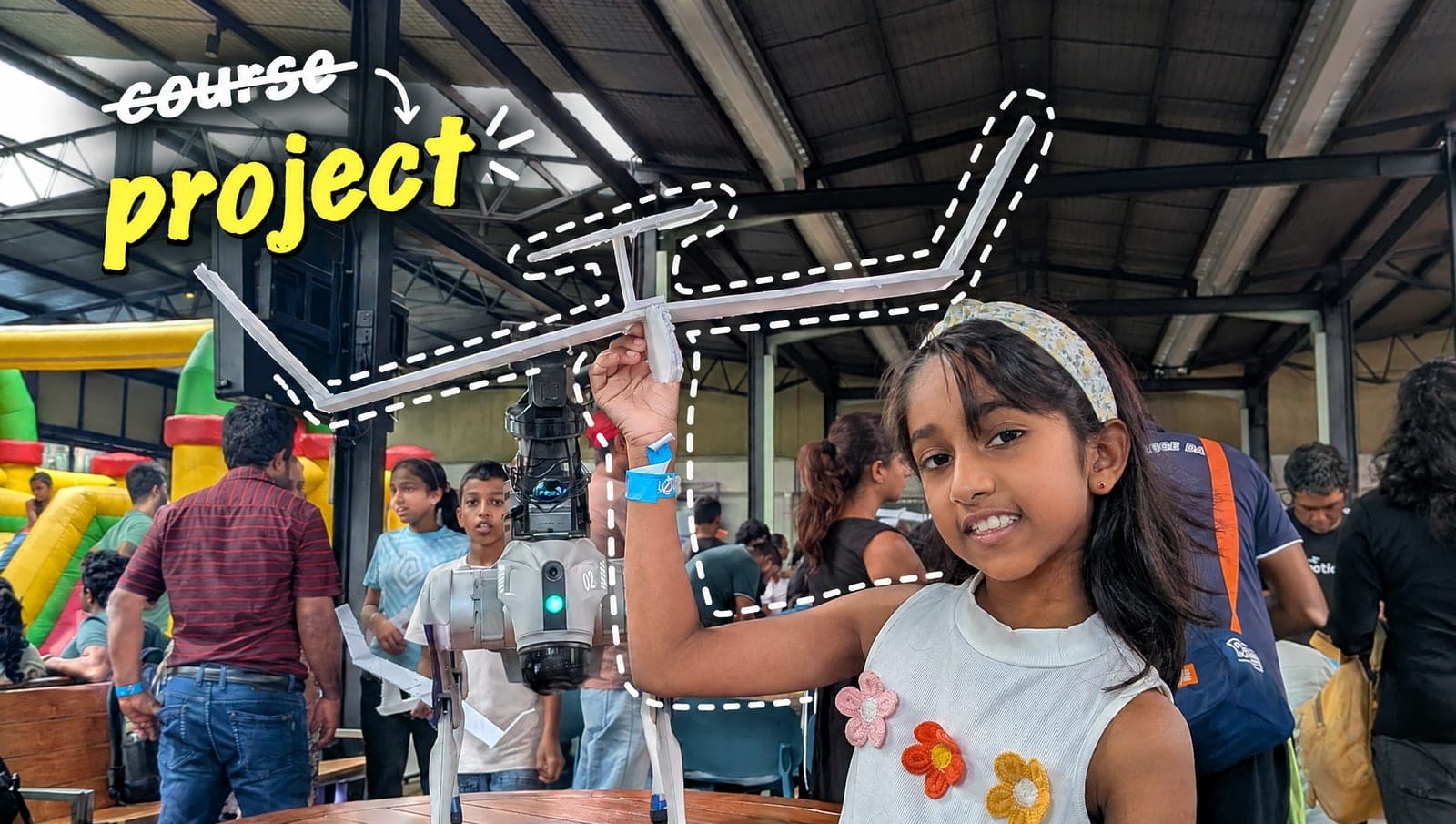
Seymour Papert, the MIT mathematician behind Logo, one of the first programming languages for children, argued that children learn especially well when they are building something real that others can see: in his words, "constructing a public entity" (opens in a new tab). A course ends with a test. A project ends with a glider you can throw, a robot you can show your grandparents, or a fish that gets fed on time.
How a project journey works at RoboticGen
- One project at a time, chosen with a mentor. Most take two to four weeks.
- Pause or switch. If a project stops making sense, the child and mentor decide together whether to push through or start something new. Both are allowed.
- Their own ideas are welcome. Adding a feature nobody asked for is a sign of ownership, not of going off track.
- Theory arrives inside the project, at the moment the child needs it.
- A certificate for every project. Each finished project earns its own certificate, so progress is recognised every few weeks, not once at the end.
- No end date. Children move up levels by completing projects, and they stay as long as the journey excites them. Our students have completed more than 750 projects so far.
From a course to a journey
A course asks a child to keep up with a plan someone else made. A project hands them a goal, a reason and a guide, and lets them set the pace. I'm convinced the second is how children learn best. It is also how they will work as adults: one project at a time, learning what each one needs.