How we made online learning work for children
Online classes failed many children during the pandemic. What we learned teaching robotics online, and the five changes that made it work.

Deepana Ishtaweera, Founder, RoboticGen
· 6 min read
Many parents remember online school during the pandemic: a grid of muted faces, a teacher talking to a screen, a child drifting off. If that is your picture of online learning, your doubts are fair. We had our own version of the problem, and it took us more than a year to solve it.
Why online at all
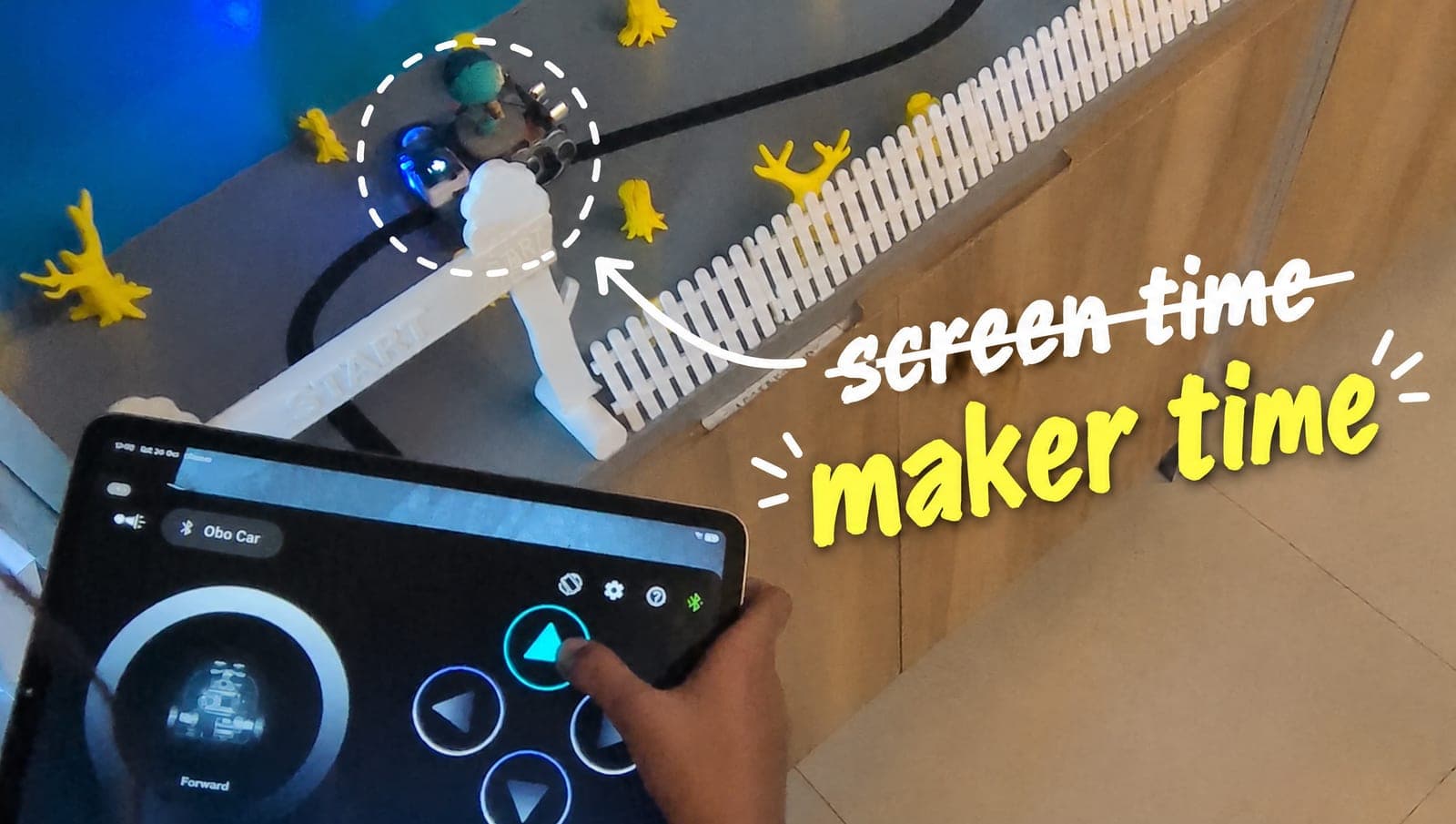
A Makerspace can only serve the families who live near it, and we can't open one in every town. Even for families nearby, a weekly class has a hidden cost: someone drives the child across town, waits an hour or goes home and comes back, and does it all again next week. Learning turns into a logistics problem, and it's the first thing to go when a week gets busy.
Online, that cost disappears. A child needs a laptop and an internet connection, and the kits for their projects are delivered to your home. The session starts when the laptop opens, and the evening stays your own.
Where we started
Our first programmes, RoboCraft and the Foundation Program, ran in batches. Each batch had an intake date, a fixed plan of about ten weeks and a weekly class, with a recording for anyone who missed it. Two things kept going wrong.
A child who signed up the week after an intake had to wait for the next batch, sometimes for three months. And a child who missed a class for a school trip or a sports tournament came back a week behind everyone else. The recording covered what was said, not what the others had built. Each missed week made the next class harder to follow, and the children who fell behind were the ones most likely to stop.
The screen wasn't the problem
The research on pandemic schooling is sobering. In the Netherlands, primary pupils made little or no progress (opens in a new tab) during eight weeks of learning from home, losing about a fifth of a school year, and children from less-educated homes lost up to 60% more. But that was emergency remote schooling: whole classes moved onto video overnight. A review of the evidence on remote learning by the Education Endowment Foundation reached the conclusion we had come to ourselves: teaching quality matters more than how lessons are delivered (opens in a new tab).
So we didn't give up on online learning. We changed how ours was built. In November 2024 we replaced batches with a subscription and a project journey, and five things made the difference.
1. One mentor, one child
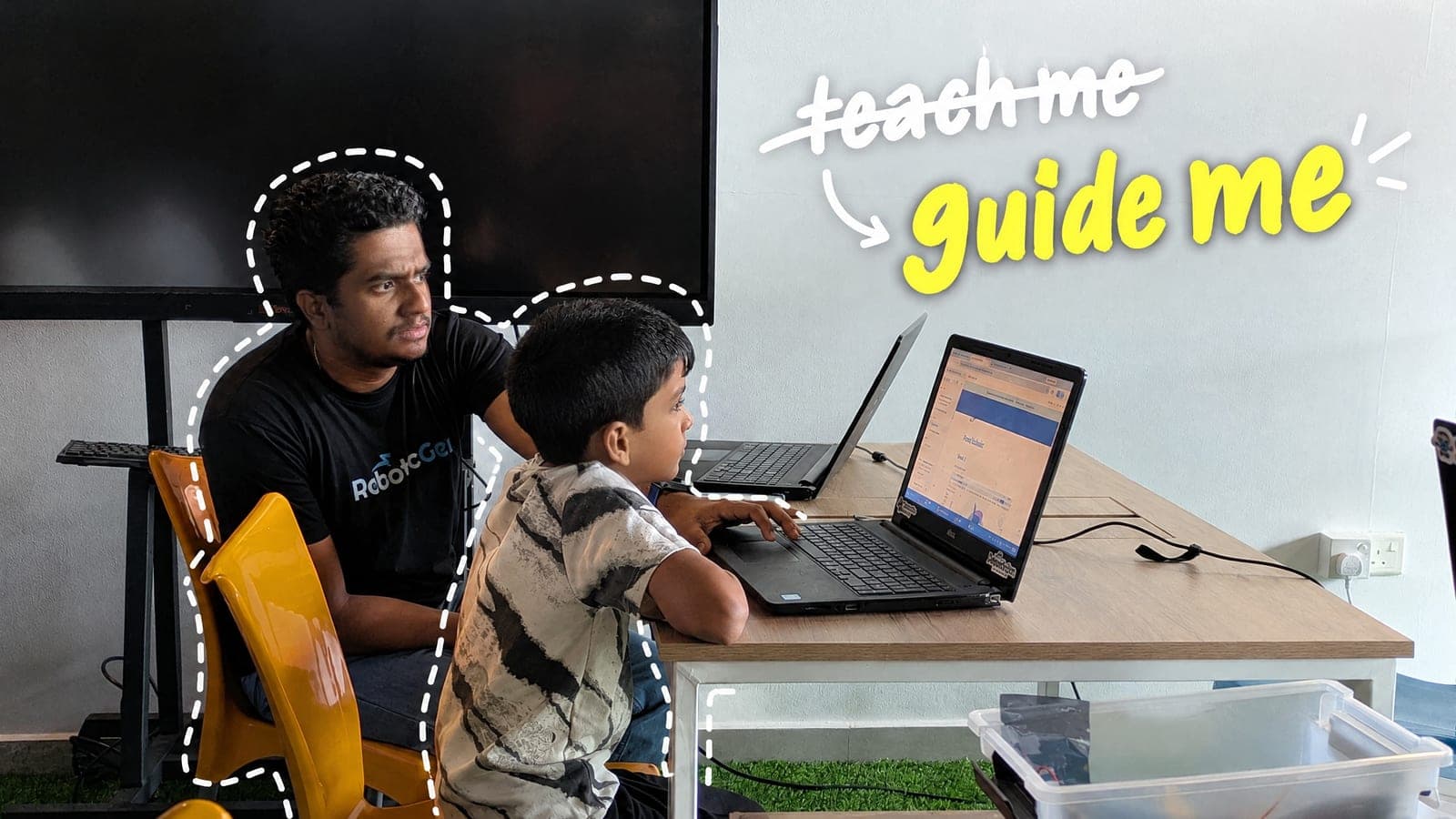
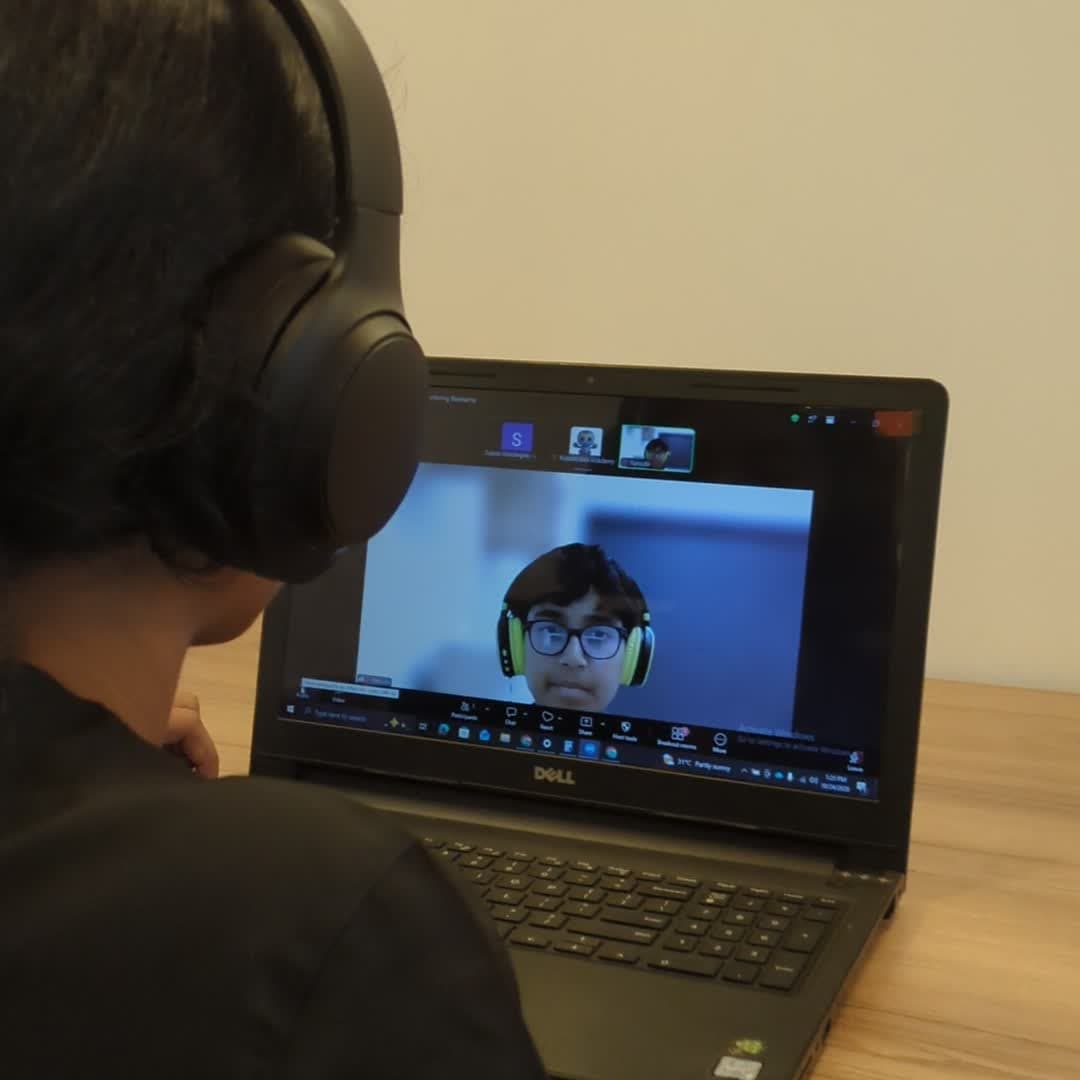
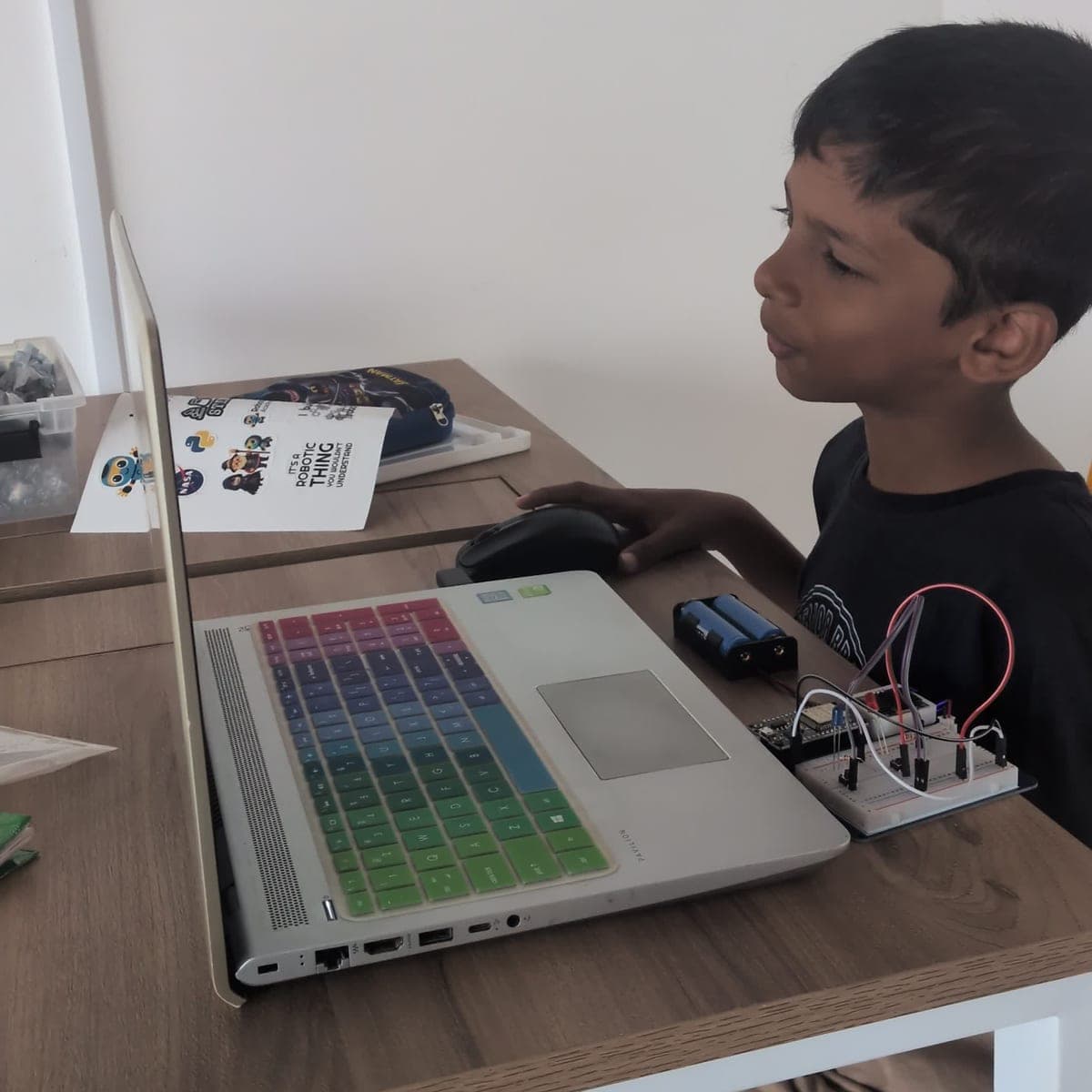
Online, every child has a mentor to themselves for the whole session. There is no back row to hide in and no faster child setting the pace.
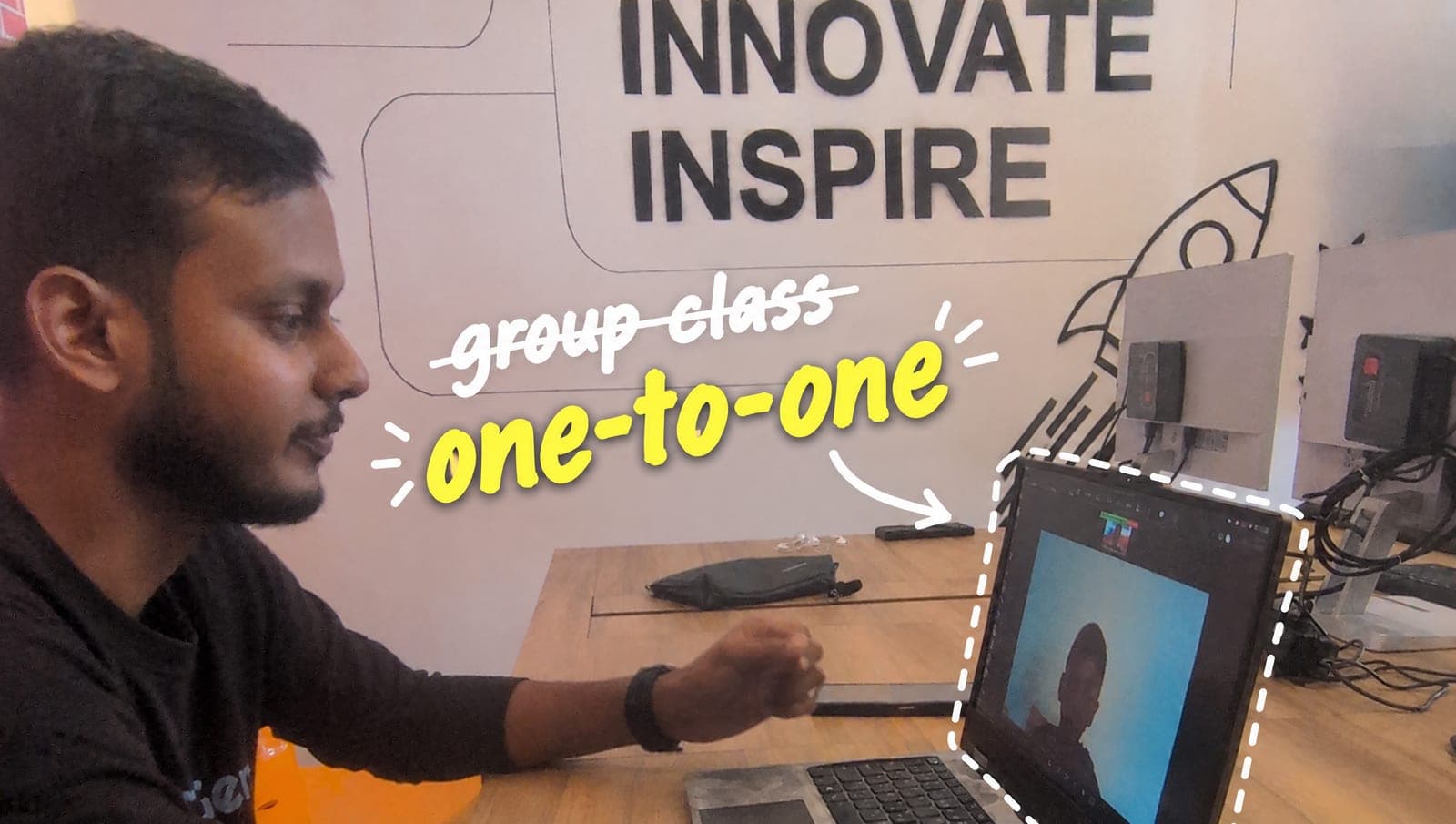
The strongest evidence comes from a trial in Italy, published in the American Economic Review: middle-school pupils who got three hours a week of one-to-one online tutoring (opens in a new tab) improved in maths enough to move ahead of almost three in five pupils without it, and tutoring in groups helped less. A trial in Spain found that online tutoring for pairs of pupils (opens in a new tab) worked well too. The number isn't magic. What matters is that no child goes unnoticed. That is why, at our Makerspace, a mentor works with one child or a pair, and online, with one.
2. A journey that never makes anyone wait
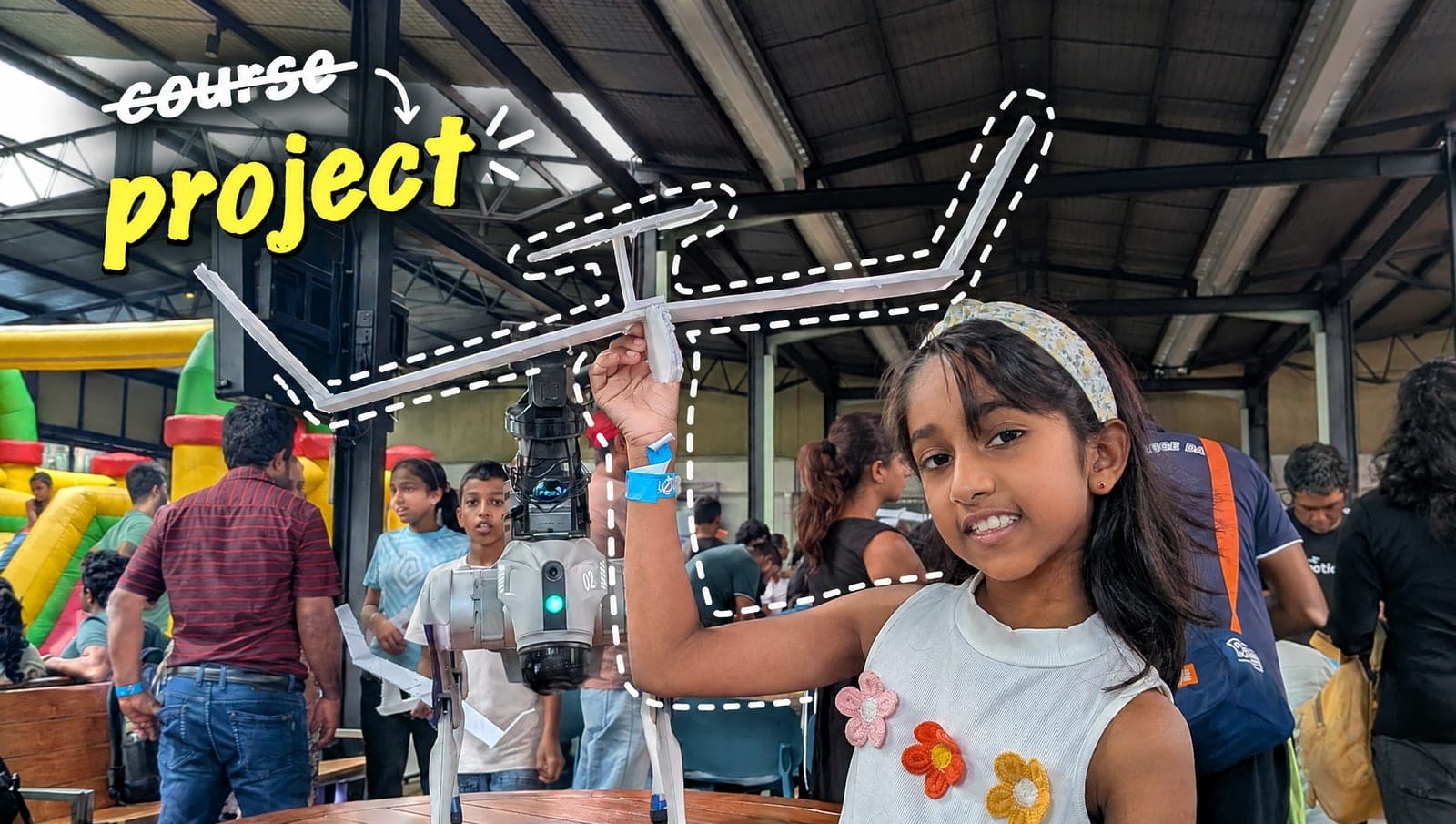
A child now starts the week they join, on a project that fits them. If they miss a week for a tournament, nothing is lost: the project waits, and the next session picks up where the last one stopped. We explain why we teach through projects rather than courses in From courses to journeys.
3. Every mentor, the same standard
We don't promise the same mentor every single week; timetables change, and so do mentors' lives. What we promise is the same experience. Every mentor comes through the same training and works the same way: asking before telling, letting the child try first, and holding them to finishing. Each session starts from where the last one stopped, whoever is mentoring, so a child never has to explain their project from scratch.
Training is what makes that possible. Across dozens of randomised trials, tutoring did best when the tutors were trained teachers or teaching assistants (opens in a new tab) rather than volunteers or parents.
4. Reminders that do the remembering
Busy families forget. So before each session, families get a WhatsApp reminder and can confirm or rearrange it with a tap, so a busy week doesn't turn into a missed one. Children get a gentle nudge to write their weekly diary, too.
Research on text messages to parents points the same way. In American schools, automated weekly texts to parents cut course failures by 27% and raised attendance by 12% (opens in a new tab). No study has tested WhatsApp reminders for online sessions, but the principle is simple: a well-timed message costs nothing, and a missed session costs a week.
5. Progress everyone can see
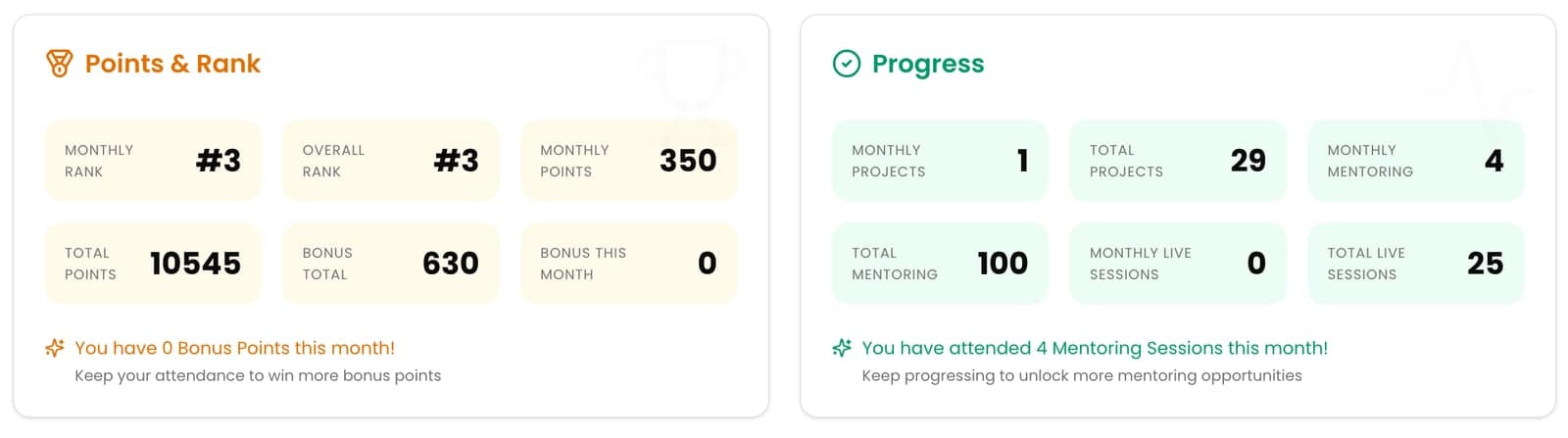
On Obo Nexus, each child sees their projects, their mentoring sessions, their points and their rank, and writes a short diary of what they did each week. Parents see the same, so nobody waits for a report card to find out how things are going. When teachers sent parents one-sentence weekly messages (opens in a new tab) during a summer programme, 41% fewer students failed to earn their credit.
Leaderboards need care. They motivate some children and discourage others, and in one university course a leaderboard with badges lowered motivation and exam results (opens in a new tab). So ours rewards the things every child can control, finishing projects and turning up, and gives everyone a fresh start each month, so a child who joined last week has the same chance as one who joined last year.
What online can't do
Some things are better in a room: building with a team, the noise of a competition, the moment a robot finally works and everyone cheers. That is why children who live near our Makerspace in Dehiwala can also learn in person, and why our optional live sessions bring online children together. Group time is the extra. The weekly heart of learning stays the same everywhere: one child, one mentor, one project.
The lesson
Online learning didn't fail children. Online classes built for a room full of children did. When we built for one child at a time, the screen stopped being the problem and became the way a mentor can reach a child anywhere in the world.